

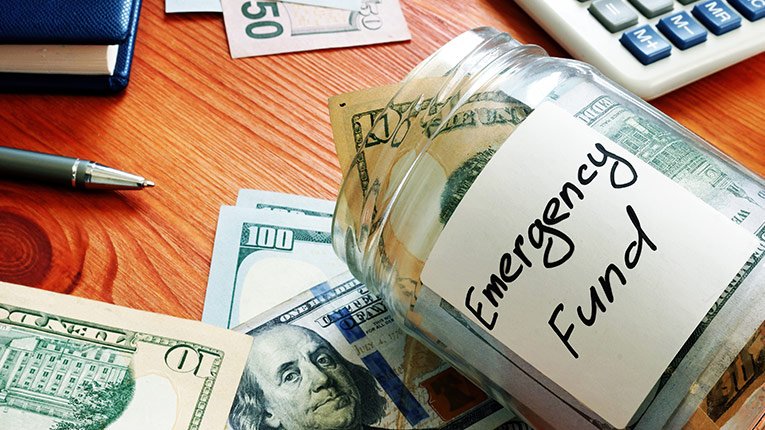
Life is unpredictable. No matter how well you plan your finances, unexpected expenses can arise at any time—medical emergencies, job loss, car repairs, or urgent home maintenance. This is where an emergency fund becomes your financial safety net.
An emergency fund is a dedicated amount of money set aside to cover unexpected expenses without relying on loans or credit cards. It provides peace of mind and helps you stay financially stable during difficult times.
In this article, you’ll learn why an emergency fund is essential and how to build one effectively.
What is an Emergency Fund?
An emergency fund is money saved specifically for unexpected situations. It is not meant for regular expenses, shopping, or planned purchases.
Key Features of an Emergency Fund
- Easily accessible
- Kept separate from daily spending accounts
- Used only for emergencies
- Helps avoid debt
Think of it as a financial backup plan that protects you when life doesn’t go as expected.
Why You Need an Emergency Fund
Having an emergency fund is one of the most important steps in financial planning. It protects you from financial stress and uncertainty.
1. Protection Against Unexpected Expenses
Emergencies can happen anytime. Without savings, you may have to rely on loans or credit cards.
Examples include:
- Medical bills
- Car repairs
- Home maintenance
- Sudden travel needs
An emergency fund ensures you are prepared for such situations.
2. Reduces Financial Stress
Knowing that you have money set aside for emergencies gives you peace of mind. You won’t have to worry about how to handle sudden expenses.
Financial stress can impact your mental health, and having a safety net helps you stay calm and confident.
3. Prevents Debt
Without an emergency fund, people often rely on credit cards or loans during tough times. This can lead to high-interest debt.
With savings in place, you can handle emergencies without borrowing money.
4. Provides Stability During Job Loss
Losing a job can be one of the most challenging financial situations.
An emergency fund can:
- Cover your daily expenses
- Give you time to find a new job
- Prevent financial panic
This financial cushion is crucial for long-term security.
5. Helps Maintain Your Financial Goals
Emergencies can disrupt your financial plans if you don’t have savings.
For example:
- You may stop investing
- Delay important goals
- Use money meant for other purposes
An emergency fund ensures your long-term plans stay on track.
How Much Should You Save?
The amount you need depends on your lifestyle and expenses.
General Recommendation
Save at least 3 to 6 months’ worth of living expenses.
Example Table
| Monthly Expenses | Emergency Fund Needed |
|---|---|
| $500 | $1,500 – $3,000 |
| $1,000 | $3,000 – $6,000 |
| $2,000 | $6,000 – $12,000 |
Start with a smaller goal if needed, then gradually increase it.
How to Build an Emergency Fund
Building an emergency fund may seem difficult, but with consistency, it becomes achievable.
1. Start Small
You don’t need a large amount to begin. Start with a small goal like saving one month’s expenses.
2. Set a Monthly Saving Target
Decide how much you can save each month and stick to it.
Even saving a small percentage of your income regularly can make a big difference over time.
3. Automate Your Savings
Set up automatic transfers to your savings account. This ensures you save money before spending it.
4. Cut Unnecessary Expenses
Identify areas where you can reduce spending, such as:
- Eating out less
- Canceling unused subscriptions
- Limiting impulse purchases
Redirect these savings into your emergency fund.
5. Use Extra Income Wisely
Whenever you receive extra money, such as bonuses or gifts, consider adding it to your emergency fund.
Where to Keep Your Emergency Fund
Your emergency fund should be easily accessible but not too easy to spend.
Best Options
- Savings account
- High-yield savings account
- Money market account
Avoid investing this money in risky assets like stocks, as you may need it quickly.
When to Use Your Emergency Fund
Use your emergency fund only for genuine emergencies.
Valid Uses
- Medical emergencies
- Job loss
- Urgent repairs
Avoid Using It For
- Shopping
- Vacations
- Non-essential expenses
Using it wisely ensures it remains available when truly needed.
Common Mistakes to Avoid
- Not saving at all
- Using the fund for non-emergencies
- Keeping it in risky investments
- Not replenishing after use
Avoid these mistakes to maintain a strong financial safety net.
How to Rebuild Your Emergency Fund
If you use your emergency fund, make it a priority to rebuild it.
Steps to Rebuild
- Resume monthly savings
- Cut expenses temporarily
- Use extra income to refill it faster
Keeping your fund intact ensures continued financial protection.
Conclusion
An emergency fund is not a luxury—it is a necessity. It provides financial security, reduces stress, and protects you from unexpected challenges.
By starting small, saving consistently, and using the fund wisely, you can build a strong financial safety net for yourself and your family.
Remember, emergencies are unpredictable, but your financial preparedness doesn’t have to be. Start building your emergency fund today and secure your future.
FAQs
1. How much should I have in an emergency fund?
You should aim for 3–6 months of living expenses.
2. Where should I keep my emergency fund?
A savings account or high-yield account is the best option.
3. Can I invest my emergency fund?
It’s not recommended, as you need quick and safe access to the money.
4. How long does it take to build an emergency fund?
It depends on your income and savings rate, but consistency is key.
5. What qualifies as an emergency?
Unexpected and necessary expenses like medical bills, job loss, or urgent repairs.