


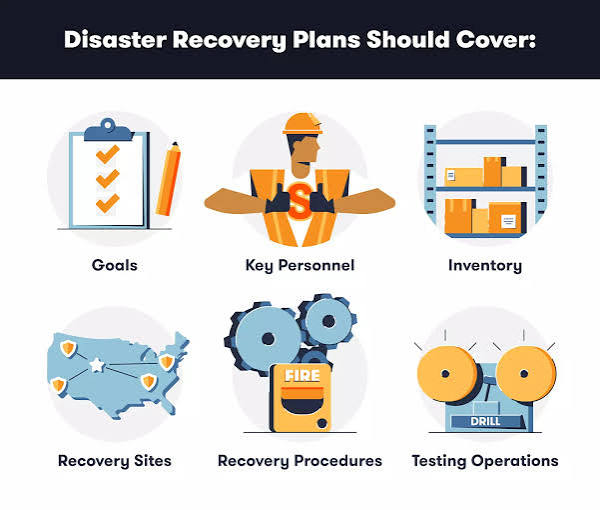
Most businesses have a disaster recovery plan sitting in a shared drive somewhere. It was written two or three years ago, reviewed once, and hasn’t been touched since. When a real incident hits — a ransomware attack, a flooded server room, a critical hardware failure — that document is almost useless. The gap between having a plan and having a plan that works is wider than most organizations realize, and closing that gap takes more than good intentions.
The foundation of any effective disaster recovery strategy is understanding what you’re actually protecting. Recovery time objectives and recovery point objectives are not just compliance checkboxes. They represent real business decisions: how long can your organization operate without access to its core systems, and how much data loss is genuinely acceptable? These numbers differ significantly between a legal firm managing client files and a retail operation running point-of-sale systems. Getting those numbers right requires honest conversations with department heads, not just IT. Companies working with IT Support Toronto providers often find that an outside perspective helps surface dependencies that internal teams have long since stopped noticing.
Once you know what you’re protecting and why, the next step is building a recovery architecture that reflects those priorities. Backup frequency, storage redundancy, and failover capabilities all need to be aligned with your RTOs and RPOs. Cloud-based backup has made off-site redundancy more accessible for small and mid-sized businesses, but accessibility doesn’t mean simplicity. You still need to verify that backups are completing successfully, that restored data is actually usable, and that your recovery process can be executed under pressure by the people who will be doing it — not just the person who designed it.
Testing is where most disaster recovery programs fall apart. A plan that has never been tested is a hypothesis, not a strategy. At a minimum, organizations should conduct tabletop exercises annually, walking key personnel through realistic scenarios and identifying gaps in communication, access, and decision-making. Full restoration tests — actually recovering systems from backup in a controlled environment — should happen at least once a year as well. These exercises are uncomfortable, time-consuming, and occasionally humbling, but they are the only honest measure of whether your plan will hold up when it counts.
Communication protocols are another underappreciated element. During a major incident, people are stressed, information is incomplete, and the wrong decision made quickly can extend downtime significantly. A good recovery plan includes clear escalation paths, designated decision-makers for each phase of recovery, and pre-written communication templates for internal staff and external stakeholders. If your team is scrambling to figure out who to call or what to say in the first hour of an incident, you’re already behind.
For organizations operating in the Toronto market, the managed services landscape has matured considerably. Toronto Managed IT providers now offer disaster recovery as a managed service, which means ongoing monitoring, regular testing, and plan updates are built into the engagement rather than treated as one-time projects. This shifts disaster recovery from a static document into a living program that evolves alongside your infrastructure and threat environment.
None of this is simple, and none of it is free. But the cost of a well-designed and regularly tested disaster recovery program is predictable and manageable. The cost of recovering from a major incident without one is neither. Businesses that treat disaster recovery as a strategic investment rather than a compliance exercise are the ones that come back from incidents quickly, with minimal data loss and credibility intact. Reach out to Unified Technicians to learn more about how their team can help you build a recovery program that holds up when it matters most.