

Introduction
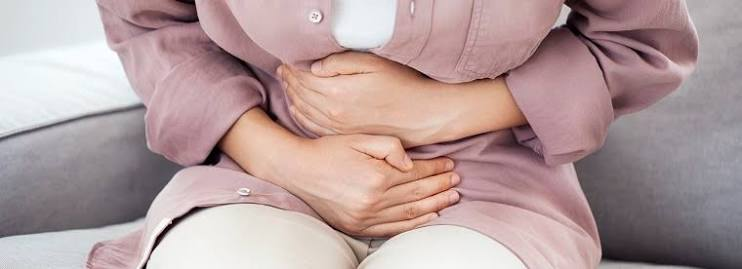
Pelvic floor disorders (PFDs) are a group of conditions that affect the muscles, ligaments, and connective tissues that support the pelvic organs, including the bladder, uterus, vagina, and rectum. These disorders are common among women and can significantly impact physical health, emotional well-being, and quality of life. Although pelvic floor disorders are often associated with aging and childbirth, they can affect women of all ages. Understanding their causes, symptoms, diagnosis, and treatment options is essential for effective management and prevention.
Understanding the Pelvic Floor
The pelvic floor is a network of muscles and connective tissues located at the base of the pelvis. It plays several important roles, including:
- Supporting the pelvic organs
- Maintaining urinary and bowel control
- Assisting in sexual function
- Supporting pregnancy and childbirth
When the pelvic floor muscles become weakened, stretched, or damaged, pelvic floor disorders may develop.
Types of Pelvic Floor Disorders
Urinary Incontinence
Urinary incontinence refers to the involuntary leakage of urine. It is one of the most common pelvic floor disorders in women and can occur during activities such as coughing, sneezing, laughing, or exercising.
Pelvic Organ Prolapse
Pelvic organ prolapse occurs when one or more pelvic organs descend from their normal position due to weakened support structures. The bladder, uterus, or rectum may protrude into the vaginal canal, causing discomfort and pressure.
Fecal Incontinence
Fecal incontinence is the inability to control bowel movements, leading to accidental leakage of stool. This condition can affect daily activities and social interactions.
Pelvic Floor Dysfunction
Pelvic floor dysfunction occurs when pelvic floor muscles do not coordinate properly, making it difficult to urinate, have bowel movements, or maintain pelvic stability.
Causes and Risk Factors
Several factors can contribute to the development of pelvic floor disorders:
Pregnancy and Childbirth
Vaginal delivery can stretch and weaken pelvic floor muscles, increasing the risk of pelvic floor disorders.
Aging
Natural aging leads to reduced muscle strength and elasticity, making pelvic floor dysfunction more common in older women.
Menopause
The decline in estrogen levels after menopause can weaken pelvic tissues and contribute to pelvic floor problems.
Obesity
Excess body weight increases pressure on pelvic organs and support structures.
Chronic Straining
Frequent constipation, chronic coughing, and heavy lifting can place additional stress on the pelvic floor muscles.
Previous Pelvic Surgery
Certain gynecological surgeries may affect pelvic support structures and increase the risk of pelvic floor disorders.
Symptoms
The symptoms of pelvic floor disorders vary depending on the condition but may include:
- Urinary leakage
- Frequent urination
- Difficulty emptying the bladder
- Loss of bowel control
- Pelvic pressure or heaviness
- A bulge in the vaginal area
- Lower back pain
- Pain during sexual intercourse
- Constipation or difficulty passing stool
These symptoms can range from mild discomfort to severe impairment of daily activities.
Diagnosis
Accurate diagnosis is essential for effective treatment. Gynecologists may use the following methods:
- Detailed medical history
- Physical and pelvic examination
- Urine tests
- Ultrasound imaging
- Urodynamic testing
- MRI or other imaging studies
- Assessment of bowel and bladder function
Early diagnosis helps prevent progression and improves treatment outcomes.
Treatment Options
Pelvic Floor Exercises
Kegel exercises strengthen pelvic floor muscles and are often recommended as the first-line treatment for mild cases.
Lifestyle Modifications
Maintaining a healthy weight, preventing constipation, and avoiding heavy lifting can reduce symptoms and prevent worsening of the condition.
Physical Therapy
Specialized pelvic floor physical therapy helps improve muscle strength, coordination, and function.
Medications
Certain medications may be prescribed to manage urinary symptoms and improve bladder control.
Pessary Devices
A pessary is a removable device inserted into the vagina to support prolapsed organs and relieve symptoms.
Surgical Management
In severe cases, surgical procedures may be necessary to repair damaged tissues and restore normal pelvic organ support.
Prevention
Several preventive measures can help reduce the risk of pelvic floor disorders:
- Performing regular pelvic floor exercises
- Maintaining a healthy body weight
- Managing chronic cough and constipation
- Following proper lifting techniques
- Seeking prenatal and postpartum care
- Staying physically active
These strategies contribute to long-term pelvic health and improved quality of life.
Conclusion
Pelvic floor disorders are common yet often underdiagnosed conditions that can significantly affect women’s physical, emotional, and social well-being. Factors such as pregnancy, childbirth, aging, menopause, and obesity increase the risk of developing these disorders. Early recognition, accurate diagnosis, and appropriate treatment can greatly improve symptoms and quality of life. Through preventive measures, lifestyle modifications, and modern medical interventions, women can effectively manage pelvic floor disorders and maintain optimal pelvic health.