

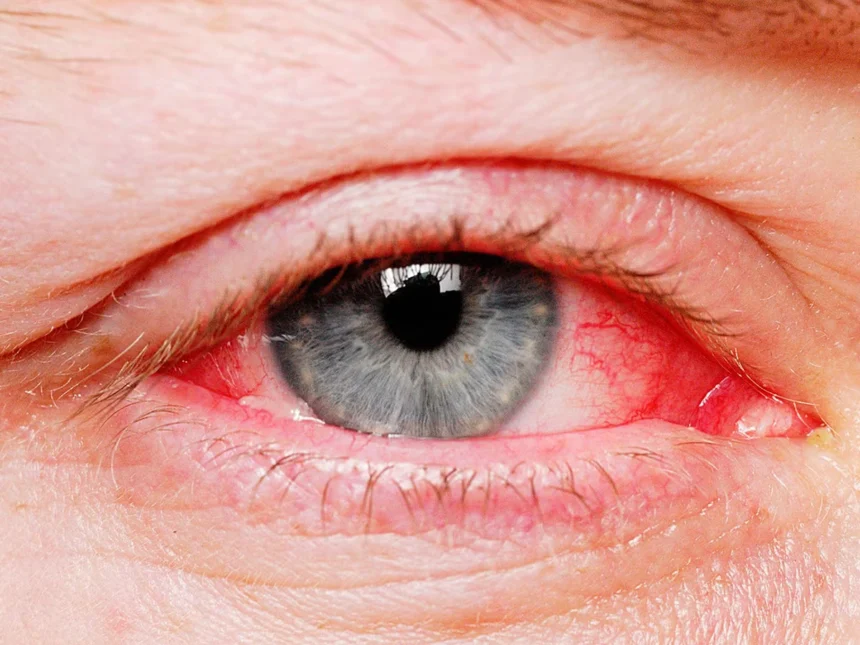
Red eyes happen to many people at some point; the whites of your eyes turn pink or red when tiny blood vessels swell, and this signals irritation or infection. If your eyes feel gritty, itchy, or watery, you might be dealing with a major trigger. Most cases are minor, but some need a closer look from a professional. Here are some of the causes and treatment options for red eyes:
Red Eye Causes
Allergies are among the typical triggers of red eyes. Dust, pollen, and pet dander irritate the surface of your eye, and your body responds with redness. When histamines flood the area, the small vessels expand quickly. This reaction fades once you remove the irritant.
Infections cause redness too. Bacteria and viruses lead to conjunctivitis, which spreads easily through touch. You might notice discharge, crusting, or a burning feeling, and these signs point to an infection that needs care. A professional visit helps confirm the source.
Several everyday factors also inflame your eyes. Some triggers may show up, so watch for these:
- Long hours staring at screens
- Dry indoor air or wind
- Contact lenses worn too long
- Excess chlorine from swimming pools
Each of these dries out or irritates the eye surface, and the redness typicallyy eases with rest. If symptoms linger past a few days, get them checked.
Red Eye Treatments
Treatment depends on the cause. A cool compress soothes irritated eyes, and rest gives the surface time to heal. If allergies drive the redness, removing the trigger often calms things down. For infections, a clinician may prescribe medicated drops or ointment.
Thermal pulsation and light-based therapy are two treatment options a clinician may recommend for persistent eye irritation. Thermal pulsation applies gentle heat and pressure to the eyelids, aiming to unblock oil glands and restore natural moisture to the eye surface.
Light-based therapy, such as intense pulsed light (IPL), is used to reduce inflammation around the eyelids that can contribute to chronic redness and dryness. Both treatments are quick, non-invasive, and performed by a caring professional who will walk you through each step. If your symptoms keep coming back, ask about these options during your next visit.
Over-the-Counter Eye Drops
Many people reach for eye drops first. These products relieve mild redness and dryness, and you can find them at any pharmacy without a prescription. Reading the label matters because different drops target different problems. Pick the type that matches your symptoms. Typical over-the-counter options include:
- Lubricating drops: for dryness and screen fatigue
- Antihistamine drops: for allergy-related redness
- Decongestant drops: for temporary redness relief
- Saline-based rinses: for flushing out irritants
Overusing decongestant drops sometimes worsens redness over time, so follow the directions on the box. If drops bring no relief within a couple of days, book a visit.
Get Treated for Red Eyes
Red eyes usually clear up with simple care, but persistent symptoms deserve attention. Pain, vision changes, or heavy discharge signal a problem that needs a professional. Our urgent care centers stay open late and on weekends, and no appointment is necessary. Walk in today, and a caring team will help you find relief fast.