


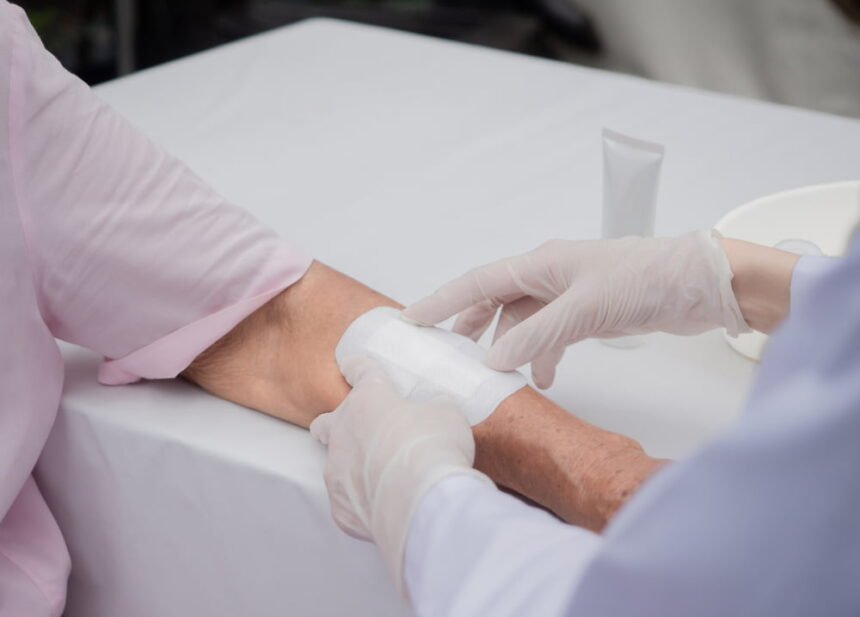
A wound starts healing the moment your skin breaks, and there are three stages. Your body follows a set order of steps, and each step has a clear job. When you understand these stages, you know what to watch for at home during wound care. Here is more information about the three main phases of wound repair:
Inflammatory Stage
The inflammatory stage begins right after an injury. Blood vessels tighten to slow bleeding, and platelets gather to form a clot. Since the body sends white blood cells to the site, the area often turns red and swells. This response fights bacteria and clears out damaged tissue.
Swelling and warmth mark the first few days. You might notice mild pain, and the skin around the wound may feel tender. When this stage runs longer than expected, an infection could be present. Watch the wound closely during this window. Here are signs that need prompt wound care:
- Redness that spreads outward
- Pus or a foul smell
- Fever that worsens
- Pain that grows worse each day
These symptoms point to a problem, and they call for a medical visit. Early treatment keeps small issues from turning into larger ones. If you spot any of them, a clinician will examine the wound.
Proliferative Stage
The proliferative stage rebuilds tissue. New blood vessels form, and collagen fills the gap left by the injury. Since fresh tissue grows from the edges inward, the wound slowly closes. This phase usually starts a few days after the injury.
New tissue looks pink or red and may bleed easily. You might see the wound shrink as the edges pull together. Gentle care during this stage supports steady closure. When you keep the area clean and moist, the tissue grows more evenly.
The newly formed blood vessels are delicate, but treatment is needed to deliver oxygen and nutrients to the area. Wound care is beneficial, so avoid applying unnecessary pressure or using harsh cleansers. If the process is interrupted, healing can slow significantly.
Remodeling and Maturation Stage
The remodeling stage strengthens the repaired skin. Collagen fibers may reorganize, and the new tissue gains tensile strength over weeks. Since this process takes time, a fresh scar stays weaker than the surrounding skin. Full maturation often lasts several months to a year.
Scars change in appearance during this period. A raised or red scar may flatten and fade, though the timeline varies from person to person. When you protect the area from sun exposure, the scar tends to look less noticeable. Simple steps here shape the final result. Each habit protects the maturing tissue, and together they reduce strain on the scar. You can support this stage with a few basic habits:
- Keep the scar out of direct sunlight
- Moisturize the healed skin daily
- Avoid picking at the area
- Follow any wound care instructions from your clinician
Schedule Wound Care Services
Wound healing moves through three stages; each phase has a distinct role, and knowing them helps you track your recovery. When something looks off, a trained clinician examines the wound and adjusts your care. If your wound shows signs of infection or is slow to close, stop by any convenient location today. Visit a wound care specialist for quick, reliable care when you need it.