


Fungal nails often start small. Discolored, crumbling nails can signal an infection, and that infection will spread if ignored, so do not hesitate to reach out. Prevention takes daily attention, but the steps are simple.
Clean Daily Hygiene Habits
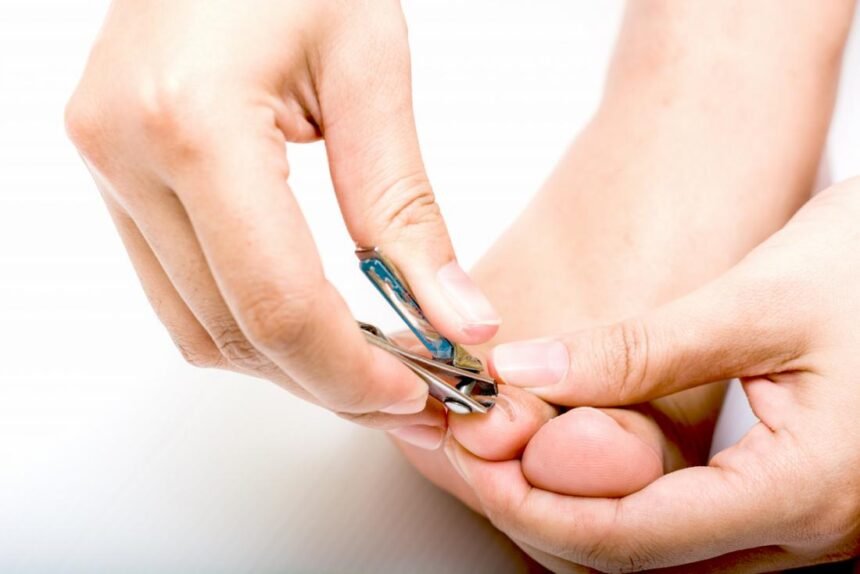
Clean feet resist fungal nails. Wash your feet daily and dry them fully, paying close attention to the spaces between your toes. Use a clean towel each time and discuss a separate towel for your feet to avoid spreading bacteria. Trim your nails straight across with clean tools, and disinfect those tools after each use.
Avoid cutting nails too short, because short nails can create small openings where fungus enters. By keeping your feet clean and dry, you remove the conditions fungus needs, and your nails stay healthier. Apply it after drying your feet, and focus on the areas between your toes. Small daily habits add up. A consistent routine is your strongest defense against fungal infections.
Breathable Footwear Choices
Breathable footwear limits moisture buildup. Choose shoes made from materials that let air move and rotate your pairs so each has time to dry between wears. Well-ventilated shoes keep your feet drier throughout the day. Wear moisture-wicking socks. Damp socks trap sweat against your skin, so change them when they feel wet to keep your feet drier. Protective sandals reduce your exposure significantly. At nail salons, check that tools are sterilized before each use. Shared instruments can transfer fungal spores between clients. Choosing the right shoes and socks may seem minor, but these decisions directly affect your nail health. Making them consistently builds a strong layer of protection each day.
Early Nail Health Awareness
Look for these common early indicators during your weekly check:
- Yellowed or discolored nails
- Thickened or brittle nail texture
- Changes in nail shape or surface
A quick weekly check takes only a moment, and catching changes early gives you more options for addressing them. Share nail tools carefully. Never borrow items from someone with an infection, because contact can transfer fungus. Keep your own set of nail clippers, files, and buffers, and store them separately from shared bathroom items. Disinfect your tools regularly with rubbing alcohol and let them dry before storing. Your overall health also plays a role in nail health. Conditions like diabetes or poor circulation can raise your risk; managing these with your doctor supports your prevention efforts. Stay hydrated, and avoid going barefoot in high-risk areas, even at home if someone in your household has an infection. Noticing changes and responding quickly protects the healthy nails while giving treatment a better chance.
Prevent Fungal Nails Today
Prevention lowers your risk, but some infections still take hold. If you notice discoloration or crumbling, your provider can help. A specialist may apply an antifungal cream, and laser therapy offers another option that targets the fungus directly. In advanced cases, a procedure can remove the affected nail. A new, healthy nail then grows in its place. Call or book an appointment online today, and get the guidance your nails need.