

For agencies operating within the food industry, efficiently managing the supply chain is a critical aspect of sustaining a thriving business. The need for precise inventory control, timely replenishment, and cost management has never been more pressing. This is where Food Inventory Management Software becomes an indispensable tool. By leveraging this technology, agencies can optimize their supply chain processes, enhance operational efficiency, and ensure compliance with industry regulations. This article delves into the vital features of such software, the benefits of real-time data, and the importance of system integration, providing a comprehensive guide for agencies aiming to elevate their supply chain operations.
Food Inventory Management Software: Streamlining Your Supply Chain
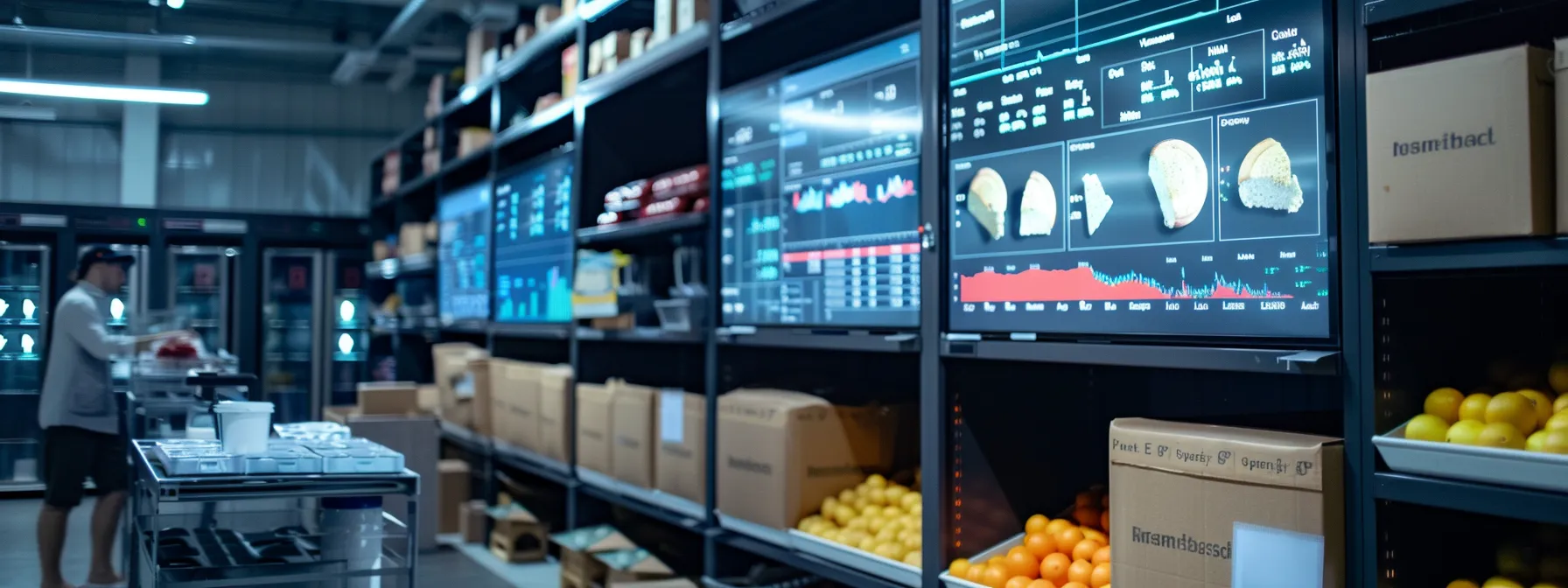
Incorporating Food Inventory Management Software into your agency’s operations can significantly streamline the supply chain. This software offers precise tracking of stock levels, expiration dates, and supplier lead times, which are crucial for maintaining a balanced inventory. For example, a robust software solution can decrease inventory holding costs by up to 20% through more accurate demand forecasting (Source: McKinsey, 2022). Moreover, it facilitates API Integration Frameworks, allowing seamless communication between different software platforms and enhancing the overall efficiency of supply chain operations.
Another vital component is the software’s ability to integrate with the MarTech Stack, ensuring that marketing efforts align with inventory levels. This alignment helps prevent stockouts or overstock situations, which can negatively impact sales and customer satisfaction. By implementing a comprehensive inventory management solution, agencies can ensure that their supply chain is not only efficient but also adaptable to market changes.
Key Features to Look for in Food Inventory Management Solutions
When selecting a Food Inventory Management Software, agencies should focus on key features that align with their operational needs. One essential feature is Digital Twin Modeling, which allows agencies to create a virtual replica of their inventory environment. This modeling enables proactive management and simulation of potential supply chain disruptions, thereby reducing risk and improving decision-making processes.
Additionally, it is important to consider solutions that offer Compliance-as-a-Service (CaaS). This feature ensures that agencies adhere to industry regulations and standards, which is crucial in maintaining credibility and avoiding legal penalties. The software should also support Blockchain Interoperability, facilitating secure and transparent transactions across the supply chain network.
Another critical feature is the integration of KPI Dashboards, which provide real-time visibility into inventory performance metrics. These dashboards enable agencies to monitor key performance indicators effectively, ensuring that strategic goals are met and operations are optimized.
Enhancing Efficiency with Real-Time Data and Analytics
Real-time data and analytics are fundamental to enhancing supply chain efficiency. By using advanced analytics tools embedded within Food Inventory Management Software, agencies can gain actionable insights into supply chain performance. According to a recent Forbes report, businesses leveraging real-time analytics can improve operational efficiency by up to 30%.
This capability is enhanced by the integration of AdTech Analytics, which provides agencies with a deeper understanding of consumer behavior and trends. With this information, agencies can make informed decisions about inventory purchasing and marketing strategies, leading to better alignment between supply and demand.
Furthermore, the software’s ability to conduct a User Experience (UX) Audit ensures that the system remains user-friendly and effective for all stakeholders involved. This audit helps identify areas for improvement, ensuring that the software continues to meet the evolving needs of the agency.
Integrating Food Inventory Software with Existing Supply Chain Systems
Integration is a critical component of successfully implementing Food Inventory Management Software. Agencies must ensure that the software can seamlessly integrate with existing supply chain systems, such as ERP (Enterprise Resource Planning) and CRM (Customer Relationship Management) platforms. This integration is often enabled through an API Integration Framework, which facilitates smooth data exchange and process automation.
Moreover, agencies should consider the benefits of a Cloud Migration Strategy. By migrating inventory management systems to the cloud, agencies can reduce IT infrastructure costs and improve data accessibility and security. A successful cloud integration can result in a reduction of IT expenses by up to 25% (Source: Gartner, 2023).
Finally, the software should support a robust Data Governance Framework, ensuring that all data within the supply chain is accurate, secure, and compliant with industry standards. This framework is essential for maintaining data integrity and supporting informed decision-making processes across the agency.
Conclusion
Food Inventory Management Software plays a pivotal role in optimizing supply chain management for agencies in the food industry. By incorporating features such as real-time data analytics, compliance solutions, and seamless system integration, agencies can significantly enhance their operational efficiency and market responsiveness. Investing in these solutions not only streamlines supply chain processes but also positions agencies for sustainable growth and success in a competitive market.