

Introduction
Cardiology is a specialized branch of medicine that focuses on the diagnosis, treatment, and prevention of diseases affecting the heart and blood vessels. Cardiovascular diseases remain one of the leading causes of death worldwide, making cardiology a critical field in modern healthcare. Advances in medical technology, research, and treatment methods have significantly improved the ability of healthcare professionals to detect heart conditions early and provide effective care. Understanding the journey from diagnosis to treatment helps highlight the importance of comprehensive cardiac care in improving patient outcomes.
Understanding Cardiovascular Diseases
Cardiovascular diseases encompass a wide range of conditions that affect the heart and circulatory system. Common cardiovascular disorders include coronary artery disease, heart failure, arrhythmias, hypertension, valvular heart disease, and congenital heart defects. These conditions can develop due to various factors such as genetics, unhealthy lifestyle habits, aging, diabetes, obesity, and high cholesterol levels.
Early identification and proper management are essential because many cardiovascular diseases can progress silently before symptoms become noticeable.
The Importance of Diagnosis
Accurate diagnosis is the foundation of effective cardiac treatment. Cardiologists use a combination of patient history, physical examinations, laboratory tests, and advanced diagnostic technologies to identify heart conditions and determine their severity.
Medical History and Physical Examination
The diagnostic process often begins with a detailed review of the patient’s medical history, symptoms, family history, and lifestyle habits. During the physical examination, physicians assess heart sounds, blood pressure, pulse rate, and signs of cardiovascular abnormalities.
Diagnostic Tests in Cardiology
Modern cardiology relies on several diagnostic tools to evaluate heart health:
Electrocardiogram (ECG):
An ECG records the electrical activity of the heart and helps detect arrhythmias, heart attacks, and other cardiac abnormalities.
Echocardiography:
This ultrasound-based test provides detailed images of the heart’s structure and function, allowing physicians to evaluate heart valves, chambers, and blood flow.
Stress Testing:
Stress tests assess how the heart performs during physical activity and can reveal problems related to reduced blood supply to the heart muscle.
Cardiac CT and MRI Scans:
Advanced imaging techniques provide highly detailed views of the heart and blood vessels, assisting in the diagnosis of structural and vascular conditions.
Blood Tests:
Laboratory tests measure biomarkers such as cholesterol levels, cardiac enzymes, and inflammatory markers that help identify cardiovascular risk factors and ongoing heart damage.
Coronary Angiography:
This specialized procedure uses contrast dye and imaging technology to detect blockages in the coronary arteries.
Treatment Approaches in Cardiology
Once a diagnosis is established, cardiologists develop individualized treatment plans based on the patient’s condition, risk factors, and overall health status.
Lifestyle Modifications
Lifestyle changes are often the first step in managing cardiovascular disease. These may include:
- Adopting a heart-healthy diet
- Engaging in regular physical activity
- Maintaining a healthy weight
- Quitting smoking
- Limiting alcohol consumption
- Managing stress effectively
These modifications can significantly reduce cardiovascular risk and improve long-term outcomes.
Medications
Many heart conditions can be effectively managed with medication. Common medications used in cardiology include:
- Antihypertensive drugs to control blood pressure
- Statins to lower cholesterol levels
- Antiplatelet and anticoagulant medications to prevent blood clots
- Antiarrhythmic drugs to regulate heart rhythm
- Diuretics to reduce fluid retention in heart failure patients
Proper medication management helps control symptoms and prevent disease progression.
Interventional Cardiology
For patients with more advanced cardiovascular disease, minimally invasive procedures may be necessary.
Angioplasty and Stenting:
These procedures open narrowed or blocked coronary arteries and restore normal blood flow to the heart.
Catheter-Based Interventions:
Specialized catheters can be used to repair certain structural heart defects and treat valve disorders without open-heart surgery.
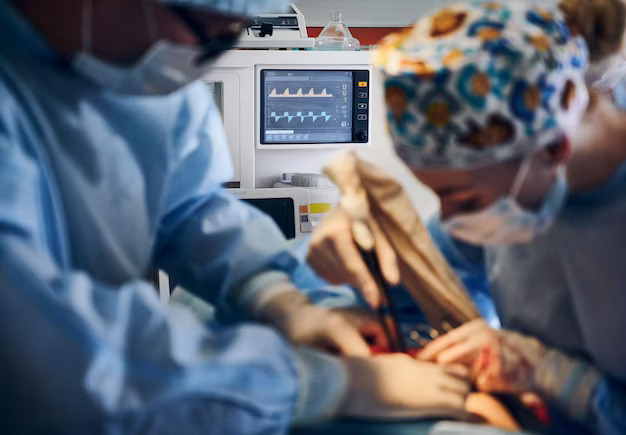
Cardiac Surgery
In some cases, surgical intervention is required to treat severe heart conditions.
Common cardiac surgeries include:
- Coronary artery bypass grafting (CABG)
- Heart valve repair or replacement
- Congenital heart defect correction
- Heart transplantation for end-stage heart failure
Advances in surgical techniques have improved safety and recovery rates for patients undergoing cardiac procedures.
Rehabilitation and Long-Term Care
Cardiac rehabilitation is an important component of recovery after heart attacks, surgeries, or major cardiac procedures. These programs combine supervised exercise, patient education, nutritional counseling, and psychological support to help patients regain their health and reduce the risk of future cardiovascular events.
Regular follow-up appointments allow healthcare providers to monitor progress, adjust treatment plans, and address emerging health concerns.
Future Trends in Cardiology
The field of cardiology continues to evolve rapidly. Innovations such as artificial intelligence, wearable health devices, telemedicine, robotic-assisted procedures, and precision medicine are transforming cardiac care. These advancements promise earlier diagnosis, more personalized treatments, and improved patient outcomes in the years ahead.
Conclusion
Cardiology plays a vital role in protecting and improving heart health through a comprehensive approach that spans diagnosis, treatment, rehabilitation, and prevention. Early detection of cardiovascular diseases, combined with appropriate medical interventions and healthy lifestyle choices, can significantly reduce complications and improve quality of life. As medical technology and research continue to advance, the future of cardiology offers new opportunities to provide safer, more effective, and more personalized care for patients worldwide.