

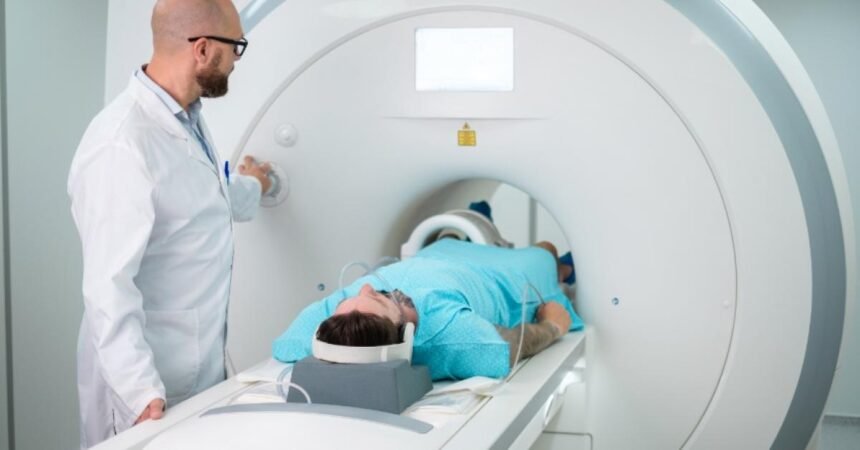
Medical imaging plays a large role in modern diagnosis, and the CT scan is a widely used tool. Short for computed tomography, these scans provide detailed images of the inside of the body without the need for surgery. The procedure offers a clear view of tissues, bones, and organs.
What Is a CT Scan?
A CT scan combines a series of X-ray images taken from different angles around the body. A computer then processes these images, and it assembles them into detailed cross-sectional views. When viewed together, these slices give physicians a three-dimensional picture of internal structures.
You lie on a table that moves slowly through a large, ring-shaped machine during the procedure. An X-ray tube rotates around you, capturing information as the table advances. The process is generally quick, and many scans take less than an hour to complete.
A contrast material may be used to highlight specific areas in some cases. This substance, taken by mouth, injection, or another route, helps certain tissues or blood vessels appear more clearly on the final images. The care team decides whether contrast is needed, and this decision is often based on the area being examined.
What Is It Used For?
CT scans support a wide range of diagnostic tasks across many areas of medicine. Because they produce detailed views of soft tissue, bone, and blood vessels, they help physicians study parts of the body that are difficult to assess through other methods. There are a variety of common use cases, and these can include:
- Detecting Injuries: CT scans may be used to examine bones, internal organs, and possible bleeding.
- Studying the Abdomen: The technology helps physicians view the lungs, brain, and other organs.
- Monitoring Conditions: Repeat scans can track how a known condition changes over time.
- Planning Treatment: Detailed images may assist in mapping out surgery or other interventions.
The versatility of CT imaging makes it a viable imaging option when physicians need fast, detailed information.
What Risks and Benefits Exist?
Like any medical procedure, a CT scan carries both advantages and potential concerns. The main benefit of this type of scan is the level of detail it provides. The procedure is painless, and the imaging itself takes only a short time. For urgent situations, this speed allows care teams to gather information quickly. These scans also cover areas that other imaging methods may not capture as clearly. This broad view can reduce the need for multiple separate tests in some cases.
CT scans use ionizing radiation, utilizing an amount that is higher than that of a standard X-ray. Exposure is generally kept as low as reasonably possible, and the care team weighs the value of the scan against this factor before proceeding. Contrast materials may cause reactions in a small number of people. Anyone with allergies should share this information with the care team beforehand to avoid unnecessary complications. Pregnant patients may be advised to discuss alternatives, since radiation exposure during pregnancy calls for added caution.
Consult an Imaging Specialist
A CT scan is a trusted method for viewing the body in detail, and its role continues to expand in medical practice. If you have questions about whether this type of imaging suits your situation, speaking with an imaging specialist is a sound next step. Informed conversations help you understand your options and move forward with a stronger understanding of the process.