

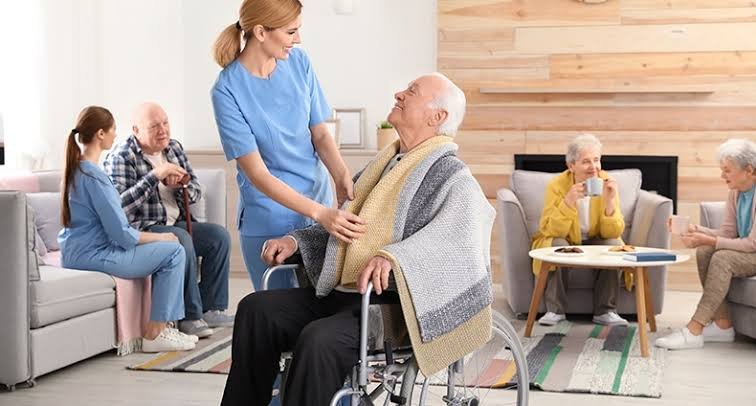
Nursing home residents rely on their caregivers to help them receive prompt medical care when the need arises. Senior adults and others who are in vulnerable health can rapidly experience complications from even a minor cold or wound. Additionally, many people in nursing homes are already treating chronic conditions that need proper care to help them feel their best.
When you place a loved one in a nursing home, you’re also placing a significant amount of trust in the staff to make sure they receive proper care. Sadly, nursing homes sometimes experience staffing issues and other disruptions that could make it harder to maintain a high standard of care. Yet, even when a program is understaffed, they are still expected to meet the standard of providing prompt medical treatment to residents in need.
Nursing home negligence can also occur if a caregiver attempts to cover up a problem. For example, someone might delay taking a resident to the hospital after a fall when they might be held responsible for not providing proper supervision. Discovering that a loved one’s medical treatment was delayed is not only a red flag for negligence but can also lead to the following issues that impact their health.
Experiencing a Rapid Disease Progression
For most people, diseases progress slowly. Healthy individuals might not even see minor wounds and illnesses progress at all as their body fights off infections with a strong immune system.
However, nursing home residents often have health conditions that can allow medical problems to get worse rapidly. For instance, someone who has diabetes could face a limb-threatening infection if they aren’t provided with immediate care, such as antibiotics and wound cleaning after a cut. Someone with respiratory issues is also at risk for severe pneumonia if they don’t get the right type of treatment.
Although many chronic conditions progress with proper treatment, it’s important to watch for sudden or dramatic changes in your loved one’s health. If your loved one has always been able to manage their diabetes, then you might need to worry if they suddenly can’t maintain normal blood sugar levels. It is especially concerning if your loved one seems to be lacking medication reports or the staff won’t show you when they last had a visit with their doctor.
Developing Infections and Sepsis
For vulnerable nursing home residents, simple infections can rapidly become systemic. For example, a simple urinary tract infection could spread through your loved one’s body if they aren’t provided with antibiotics in time.
In a nursing home environment, staff members are expected to listen to the residents’ concerns. For residents who might not detect a new health issue, it’s important for the caregivers to conduct routine exams that can help catch a small skin infection. When a caregiver spots a new health problem, there should also be a clear plan in place to get the resident medical treatment within a reasonable period of time.
If a caregiver neglects to provide a resident with access to medical treatment, then the resident could develop sepsis. Nursing home residents who develop severe infections could face devastating consequences that include long hospital stays and the loss of their normal abilities.
Having Adverse Medication Reactions
Forgetting to give a resident their normal medication is another form of delayed medical treatment that can have severe consequences. Medication mishaps can lead to missed doses that contribute to worsening health. Or, your loved one might have new side effects from a recently prescribed medication. In this case, delaying medical treatment could lead to severe injuries or impacts on their mental and physical well-being.
For instance, someone who experiences severe dizziness from a new medication might experience a fall-related injury when they just needed their dosing adjusted. Or, someone with mental health challenges might find that their medication is no longer working to control their symptoms. Failing to help the resident consult with their physician could lead to worsening anxiety or depression.
Facing Longer Recoveries and Permanent Damage
Long delays in receiving a diagnosis and treatment often tend to extend the time it takes for a person to recover from an injury or illness. A senior who develops a major skin infection and who has diabetes could experience more pain and adverse health consequences when they don’t receive proper treatment than they would if they’d simply been given antibiotics early on.
The chances of a nursing home resident experiencing long-term damage also rise the longer it takes to get them medical care. A mild injury could rapidly turn into one that threatens a person’s mobility. This is especially true for someone who develops an infection that requires an amputation.
Failing to get proper treatment for a suspected stroke could lead to long-term speech and cognitive challenges. In the absolute worst-case scenario, delayed medical treatment could lead to a loss of life.
When you place your trust in a nursing home program, one of your expectations is that the staff will provide your loved one with access to medical care within a reasonable amount of time. Whether the program brings a healthcare provider to your loved one’s room for an exam or takes them to the nearest emergency room, you should be able to know that proper care is provided in a reasonable amount of time.
Regular visits to your loved one can help you and others identify signs of negligence that often include worsening health conditions or new ones that occur without an explanation. If you suspect that your loved one didn’t receive medical treatment in time, then it’s worth talking to an experienced nursing home abuse lawyer like the attorneys at Barrera Law Group LLC.
Calling for an investigation into what happened can help you find out if the delayed treatment is a sign of abuse or neglect. Not only can you help your loved one receive compensation that helps with their continued medical care, but you can also help prevent someone else from having the same experience.
Making sure that all nursing home residents have access to medical treatment in a timely manner helps everyone protect vulnerable members of the population, including your loved one.