

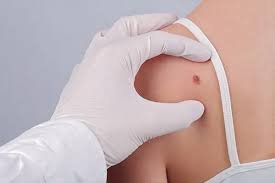
Mohs surgery is a specialized procedure that removes certain types of skin cancer while preserving as much healthy tissue as possible. During the procedure, the surgeon removes thin layers of affected skin and examines them under a microscope until no cancer cells remain. Here is a closer look at Mohs surgery and how it works:
How Does Mohs Surgery Work?
Mohs surgery follows a step-by-step process that combines removal and examination in a single visit. A specially trained surgeon removes a thin layer of tissue, studies it, and repeats the cycle only where cancer cells remain. This staged approach gives the surgeon a detailed map of where cancer still exists. Here are several features that make this technique a key choice for cancers in sensitive locations:
- Same-day analysis: The surgeon reviews each tissue sample during your appointment, so you receive results without a separate lab wait.
- Tissue preservation: Removal is limited to areas that still show cancer, which helps protect surrounding healthy skin.
- High precision: Microscopic checks let the surgeon confirm clear margins before closing the wound.
How Is Tissue Removed?
Mohs surgery begins after the surgeon numbs the area with a local anesthetic; you stay awake throughout the procedure. The surgeon removes the visible tumor along with a thin surrounding layer, then marks the sample to match its exact position on your skin. This mapping step allows the surgeon to know precisely where there is any remaining cancer.
If the sample shows cancer at the edges, the surgeon returns to that specific spot and removes another thin layer. This cycle continues only in the areas that still contain cancer cells, and healthy tissue stays untouched. Each round is guided by what the microscope reveals, so the process adapts to your results.
How Is Tissue Examined?
Tissue examination is a key component of Mohs surgery, and it happens between each removal stage. A technician processes the sample on-site, and the surgeon then studies it under a microscope to look for cancer cells at the margins. This close review lets the surgeon confirm whether the area is clear. Understanding what the surgeon looks for can make the wait between stages easier to follow. Here are a few specific details the examination targets:
- Margin status: The surgeon checks whether cancer cells reach the edges of the removed sample.
- Location of remaining cells: The tissue map shows exactly where any cancer is, which directs the next removal.
- Confirmation of clear tissue: A clear margin signals that the surgeon can move toward closing the wound.
How Does Healing Progress?
Once the margins are clear, the surgeon addresses the wound, and the approach depends on its size and location. Small wounds may heal on their own, while larger ones require stitches or a reconstruction technique. The surgeon selects the closure method that fits your situation and explains the plan before finishing. Recovery steps often begin the same day.
Following care instructions helps support smooth healing after the procedure. Your care team will give you specific guidance. Clean the site and change dressings as directed to keep the area protected. Rest and avoid strenuous movement that could strain the wound, and attend scheduled appointments so your surgeon can check healing and remove stitches if needed.
Schedule Your Mohs Surgery Consultation
Mohs surgery removes skin cancer layer by layer, examines each sample during your visit, and preserves healthy tissue. This staged method suits cancers in visible or sensitive areas, and it gives the surgeon precise control over each step. Proper post-procedure care is key to supporting healing and reducing the risk of complications. Contact a qualified dermatologist near you to schedule your Mohs surgery consultation today.