

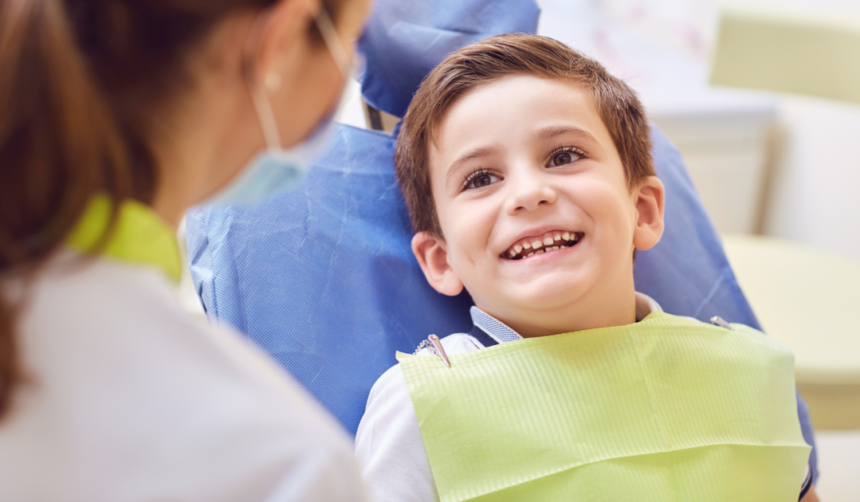
Early orthodontic assessments help identify potential dental alignment and bite problems as a child’s teeth and jaws develop. Early evaluation can help orthodontists recommend appropriate care and reduce the risk of more complex problems later. Here are some key benefits of early children’s orthodontics assessment:
Detecting Alignment Problems Early
An early orthodontic assessment helps identify alignment issues while a child’s teeth and jaws are still growing. Baby teeth act as placeholders for adult teeth, and an orthodontist can review how these teeth are placed together. Small changes that seem minor now may become larger concerns later, so an early look provides useful context. Here are several alignment concerns that often appear during children’s orthodontics assessment:
- Overcrowding: Teeth compete for limited space, which can lead to overlapping or twisting.
- Overbite: Upper front teeth extend noticeably past the lower front teeth.
- Underbite: Lower teeth sit in front of the upper teeth when the mouth closes.
- Gaps and spacing: Extra space forms between teeth as they emerge.
Monitoring Jaw Development
An early children’s orthodontics assessment lets an orthodontist track how a child’s jaw grows over time. Jaw shape affects how teeth fit together, and ongoing growth influences the space available for adult teeth. When a specialist reviews jaw development at a young age, they can note whether the upper and lower jaws grow in balance.
Regular monitoring creates a timeline that shows how a child’s mouth changes year to year. An orthodontist can compare records from each visit, highlighting changes that need attention. Growth patterns vary from child to child, so consistent check-ins give the specialist comprehensive details.
Identifying Oral Function Issues
An early assessment can reveal habits and functions that affect how a child’s mouth works. An orthodontist looks beyond tooth position and reviews how a child bites, chews, and speaks. Certain habits, such as prolonged thumb-sucking, may influence tooth and jaw position, and spotting them early gives families more options. Here are some key functions specialists review during children’s orthodontics assessment:
- Chewing patterns: How teeth meet when a child eats.
- Breathing habits: Whether a child tends to breathe through the mouth.
- Speech clarity: How tooth and jaw position affect certain sounds.
- Oral habits: Thumb-sucking or tongue posture that may affect development.
Planning Timely Treatment
An early assessment gives an orthodontist the information needed to plan treatment at the right moment. Timing matters in children’s orthodontics, and a specialist uses growth records to decide when action may work best. Some children benefit from early steps, while others need periodic check-ins until more adult teeth arrive.
A gradual approach lets an orthodontist prepare a plan that follows a child’s natural development. The specialist may recommend monitoring first, and treatment can begin once the timing aligns with growth. This method helps families avoid rushed decisions, and it keeps each step grounded in current records.
Schedule Your Children’s Orthodontics Appointment
Early orthodontic assessment in children’s orthodontics offers a structured way to review alignment, jaw growth, oral function, and treatment timing. Clear planning and timely decision-making are fundamental when reviewing treatment. Working with an orthodontist to review records, explore treatment options, and create a documented plan helps make sure each step is well prepared. Contact a qualified orthodontist near you to schedule your children’s orthodontics appointment today.