

Joint pain can limit mobility and make routine activities difficult. PRP injections use a concentrated portion of a patient’s own blood to support the body’s natural healing response in damaged or irritated joint tissues. Here is a closer look at the benefits of PRP injections for joint pain relief:
Support Natural Tissue Repair
PRP injections place a concentrated platelet sample close to damaged tissue, where those platelets may support the body’s repair activity. Your blood already contains platelets at a standard level, and a centrifuge separates and concentrates them before the injection. The prepared plasma stays specific to you.
Understand How Platelets Work
Platelets carry growth factors, and these compounds signal cells during the body’s natural repair response. When a clinician delivers a concentrated dose to an injury site, the goal is to supply that response with more resources. This approach draws on your own biology rather than synthetic materials.
Recognize Why Concentration Matters
A standard blood sample contains platelets at a baseline level, but centrifugation significantly increases that count in the final plasma. The prepared dose delivers more growth factors to a specific site than the body would send there on its own. Practitioners adjust the concentration and volume based on the treatment area, and that flexibility makes PRP applicable to a range of joint conditions.
Reduce Pain and Inflammation
Chronic joint pain often connects to ongoing inflammation in surrounding tissue, which can limit comfort and movement over time. PRP injections aim to influence this environment by introducing platelets that carry signaling compounds to the affected area. Some patients choose the treatment to manage stiffness that interferes with daily movement.
People with knee or hip osteoarthritis often choose this approach to reduce their reliance on repeated oral medication. Platelets may regulate how joint tissue responds during recovery, though outcomes vary by individual and condition. Clinicians generally review a patient’s history and current symptoms before recommending PRP as part of a broader pain management plan.
Improve Function and Mobility
Restoring movement is a fundamental goal for anyone managing a stiff or painful joint. PRP injections target the tissue that directly supports mobility. Clinicians often recommend the treatment alongside guided rehabilitation. Improved tissue conditions may help patients participate more fully in physical therapy. Here are ways PRP treatment can improve function and mobility:
- Range of motion: Reduced stiffness may allow the joint to bend and extend more freely.
- Physical activity: Improved comfort at the joint level supports a structured return to activity.
- Daily tasks: Actions like climbing stairs, rising from a chair, or walking longer distances can become more manageable when pain and stiffness decrease.
- Rehabilitation participation: A more comfortable joint may allow patients to complete prescribed physical therapy exercises more consistently and with fewer interruptions.
Offer a Minimally Invasive Option
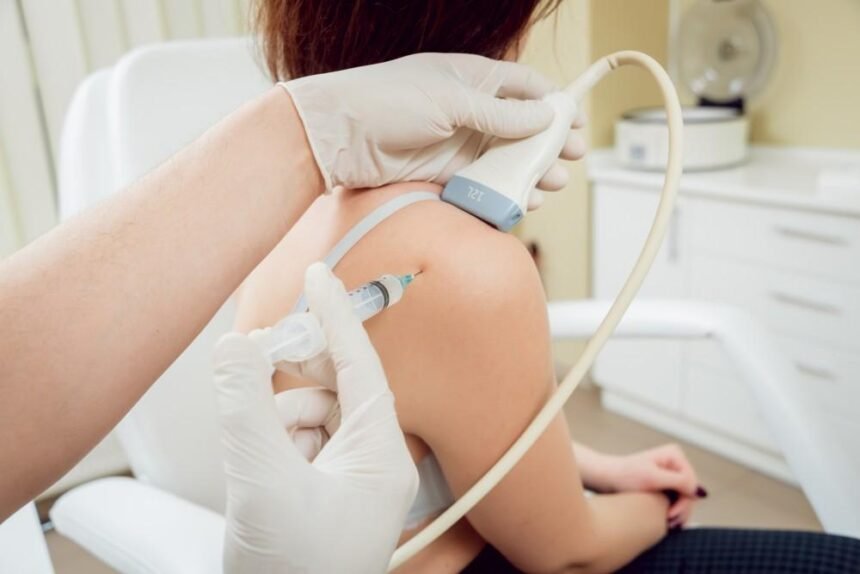
Some patients prefer treatments that avoid extended downtime, and PRP injections fit that preference. The procedure involves a small blood draw and a targeted injection, so it does not require the incisions or general anesthesia associated with surgical options. People may resume light activity soon after the session, though recovery timelines vary by individual and treatment site. Clinicians can also use imaging guidance during the injection to make sure the platelet-rich plasma reaches the intended area with precision.
Learn More About PRP Injections
PRP injections offer a minimally invasive solution for individuals seeking regenerative treatment for injuries or chronic conditions. They use your body’s own platelets to support tissue repair and aim to reduce pain, ease inflammation, and improve joint function. Recovery times are generally short, and imaging guidance supports precise application to the targeted area. Contact a qualified pain specialist near you to schedule your appointment and learn more about PRP injections today.