

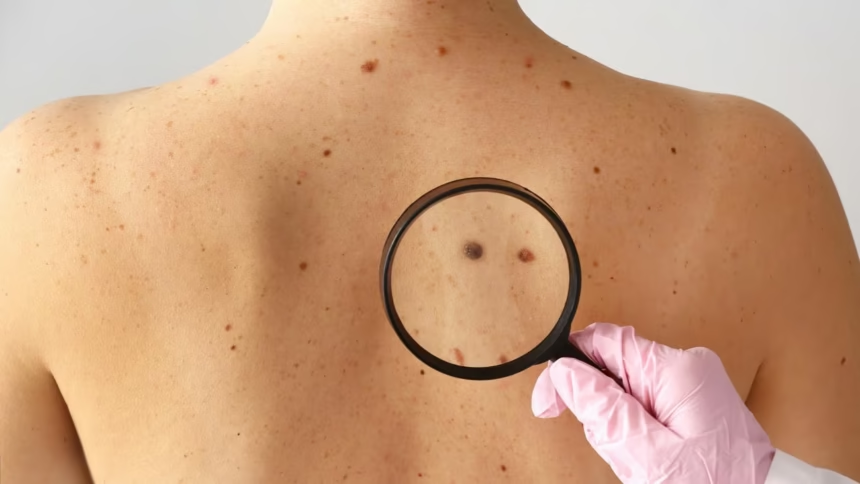
Skin cancer starts when skin cells grow in abnormal ways, and the three main types are basal cell carcinoma, squamous cell carcinoma, and melanoma. Melanoma is less common, but it is a serious form of cancer. Your family history and your daily habits both shape your personal risk. Here is more information on the role of genetics when it comes to skin cancer risks:
Most Cases Are Environmental
Ultraviolet (UV) light causes most skin cancer cases. Sun exposure and tanning beds damage the DNA inside your skin cells, and repeated damage builds up over years. People with fair skin face a higher risk, but anyone can develop skin cancer.
Where you live and work also matters. Outdoor workers get more UV exposure, and high-altitude regions add to that dose. If you tan frequently, your risk climbs with each session.
Inherited Risks
Genetics plays a smaller but significant part. Some families see melanoma appear across multiple generations, and this pattern points to inherited factors. When a close relative has melanoma, your own risk rises.
A few traits raise inherited risk more than others. These traits typically show up early and stay with you for life.
- Fair skin that burns quickly
- Many moles or unusual moles
- Red or blonde hair with light eyes
- Close parent or sibling with melanoma
If several of these apply to you, tell your doctor. Regular checks help track any changes over time, and early detection matters. Your provider maps your risk based on both your genes and your habits.
Hereditary Syndromes
Certain rare syndromes carry a high skin cancer risk. Xeroderma pigmentosum is one example, and people with this condition react severely to UV light. Their cells struggle to repair sun damage. Familial atypical multiple mole melanoma (FAMMM) is another syndrome. Families with FAMMM have many atypical moles, and they may face a raised melanoma risk from a young age. Genetic testing helps confirm whether a syndrome runs in your family.
Genetic Mutations
Specific gene mutations link directly to melanoma. The CDKN2A gene is one of them, and mutations here disrupt how cells control their growth. People who carry this mutation may face a higher risk.
Other genes play a role too. The MC1R gene affects your skin and hair pigment, and certain variants raise melanoma risk. Researchers keep studying how these mutations interact with sun exposure.
Testing gives you concrete information about your genetics. A genetic counselor explains your results, and they help you plan next steps. If a mutation shows up, your doctor adjusts your screening schedule to match your risk. Early checks can be helpful.
Get Checked for Skin Cancer
Genetics shapes part of your skin cancer risk, and your environment shapes the rest. You control your sun exposure, monitor your skin for new or changing spots, and understand your family history to help give your provider a clearer picture. Schedule a skin exam if you have a family history of melanoma. Book an appointment with a dermatologist today, and ask about genetic counseling if syndromes run in your family.