

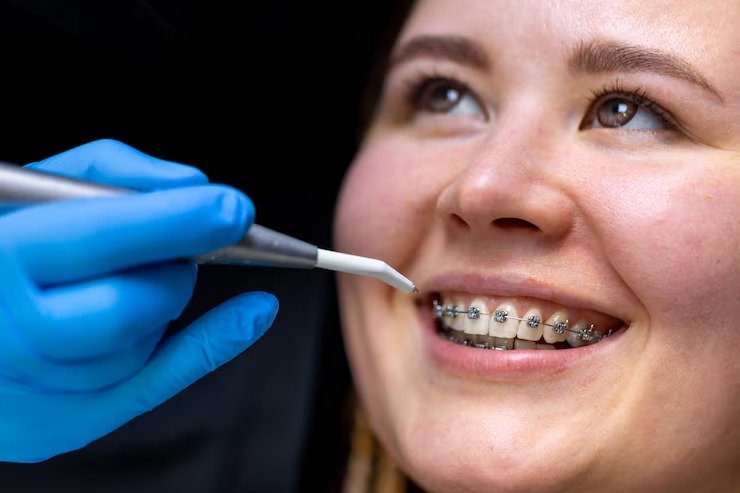
Orthodontics can help correct tooth and jaw alignment problems before they contribute to serious dental concerns. Properly aligned teeth are often easier to clean and may reduce the risk of tooth decay, gum disease, uneven wear, and bite-related discomfort. Here is a closer look at the role of orthodontics in preventing future dental issues:
Identifying Problems Early
Early evaluation gives specialists a clear view of how permanent teeth and jaws are developing. Dental groups often suggest a first orthodontic check around age seven. At that stage, a mix of baby and adult teeth is present, so a dentist can identify spacing concerns before they progress. When problems are identified early, orthodontics can guide growth, often leading to fewer complications later.
Improving Teeth Alignment
Straightening teeth is a recognized goal of orthodontics, and it involves more than appearance. Well-aligned teeth are easier to clean, and they distribute pressure evenly during chewing. The tools used to achieve alignment vary by age, need, and lifestyle. Here are two common approaches that specialists often rely on.
Braces
Braces use brackets and wires to move teeth gradually into place. They suit a wide range of cases, and they work well for children, teens, and adults with crowded or crooked teeth. A specialist adjusts the wires over time, so the teeth shift in a controlled manner.
Clear Aligners
Clear aligners are removable trays that fit snugly over the teeth. They appeal to teens and adults who prefer a less visible option, and patients can take them out during meals. A series of trays moves the teeth in stages, so each set builds on the last. Consistent wear is key, and this approach works best when patients keep the trays in for the recommended hours each day.
Correcting Bite Problems
Bite problems occur when the upper and lower teeth do not meet as they should. These issues include overbites, underbites, and crossbites, and they can affect how a person chews or speaks. Orthodontics such as braces, aligners, and palatal expanders help reposition teeth and guide jaw growth, so the bite functions more smoothly. When a bite is balanced, chewing becomes more comfortable, and pressure spreads evenly across the teeth.
Supporting Long-Term Oral Health
Orthodontics does more than reshape a smile; it supports the routines that keep teeth healthy over time. Straight and well-spaced teeth are easier to brush and floss. Here are ways orthodontics contributes to lasting oral health:
- Easier cleaning: Aligned teeth leave fewer tight spaces where food can hide, so brushing and flossing reach more surfaces.
- Even wear: A corrected bite spreads chewing force across the teeth, which reduces stress on any single tooth.
- Better function: Properly positioned teeth and jaws can improve chewing and speech clarity for some patients.
- Simpler maintenance: Retainers help hold results after active treatment, so the teeth stay in their new positions.
- Comfort during use: A balanced jaw may ease the discomfort that some people feel when teeth meet unevenly.
Explore Orthodontics Services Today
A well-aligned smile offers numerous benefits, including improved oral health and function. Orthodontics corrects bite issues, makes maintenance easier, and provides long-term comfort. A customized orthodontic plan can make a significant difference, and early attention often simplifies treatment. Contact a qualified dentist near you to schedule your consultation and explore available orthodontic options today.