

Introduction
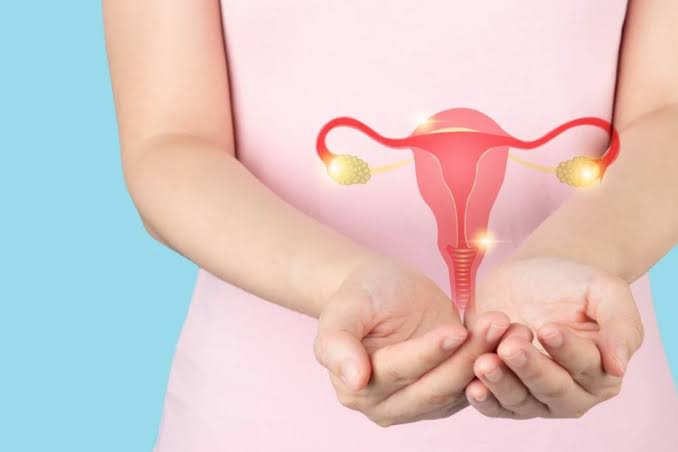
Polycystic Ovary Syndrome (PCOS) is one of the most common hormonal disorders affecting women of reproductive age. It is a complex condition characterized by hormonal imbalance, irregular menstrual cycles, and problems related to ovulation. PCOS can affect a woman’s reproductive health, metabolism, and overall quality of life. Although the exact cause of PCOS remains unclear, early diagnosis and proper management can help reduce symptoms and prevent long-term complications.
What is PCOS?
Polycystic Ovary Syndrome (PCOS) is an endocrine disorder in which the ovaries produce higher-than-normal levels of androgens, commonly known as male hormones. This hormonal imbalance interferes with the normal development and release of eggs during ovulation.
Women with PCOS may develop multiple small fluid-filled sacs, or follicles, in the ovaries. These follicles are often referred to as “cysts,” although they are not true cysts. The condition can lead to irregular menstruation, infertility, and various metabolic problems.
Causes of PCOS
The exact cause of PCOS is not fully understood, but several factors are believed to contribute to its development.
Genetic Factors
PCOS often runs in families, suggesting a genetic component. Women with a family history of PCOS are at a higher risk of developing the condition.
Insulin Resistance
Many women with PCOS have insulin resistance, a condition in which the body’s cells do not respond effectively to insulin. This causes the pancreas to produce more insulin, which can stimulate increased androgen production.
Hormonal Imbalance
Excess production of androgens and abnormal levels of reproductive hormones can interfere with ovulation and menstrual function.
Inflammation
Research suggests that low-grade chronic inflammation may contribute to increased androgen production and the development of PCOS symptoms.
Signs and Symptoms
The symptoms of PCOS vary among individuals and may range from mild to severe.
Common symptoms include:
- Irregular or absent menstrual periods
- Excessive facial or body hair growth (hirsutism)
- Acne and oily skin
- Weight gain or difficulty losing weight
- Thinning hair or hair loss
- Darkened skin patches, especially around the neck and underarms
- Difficulty becoming pregnant
- Multiple ovarian follicles visible on ultrasound
Symptoms often begin during adolescence and may become more noticeable over time.
Diagnosis of PCOS
There is no single test for diagnosing PCOS. Healthcare providers typically use a combination of clinical evaluation and diagnostic investigations.
Medical History and Physical Examination
A detailed assessment of menstrual history, symptoms, and family history is important.
Blood Tests
Blood tests may be performed to measure:
- Androgen levels
- Blood sugar levels
- Insulin levels
- Cholesterol and lipid profile
- Thyroid function
Pelvic Ultrasound
Ultrasound imaging helps evaluate ovarian appearance and identify multiple small follicles associated with PCOS.
Complications of PCOS
If left untreated, PCOS can increase the risk of several health complications, including:
Infertility
Irregular ovulation can make conception difficult for many women with PCOS.
Type 2 Diabetes
Insulin resistance significantly increases the risk of developing diabetes.
Cardiovascular Disease
Women with PCOS may have higher risks of high blood pressure, abnormal cholesterol levels, and heart disease.
Endometrial Hyperplasia
Irregular menstrual cycles may cause excessive thickening of the uterine lining, increasing the risk of endometrial cancer.
Mental Health Issues
Depression, anxiety, and low self-esteem are more common among women with PCOS due to its physical and emotional effects.
Management and Treatment
Although there is no permanent cure for PCOS, effective treatment can help manage symptoms and reduce complications.
Lifestyle Modifications
Lifestyle changes are often the first step in treatment.
- Maintaining a healthy body weight
- Eating a balanced diet
- Engaging in regular physical activity
- Reducing stress levels
- Getting adequate sleep
Even modest weight loss can significantly improve symptoms and hormonal balance.
Medications
Various medications may be prescribed depending on the patient’s symptoms and reproductive goals.
- Hormonal contraceptives to regulate menstrual cycles
- Insulin-sensitizing medications such as metformin
- Anti-androgen medications for excessive hair growth
- Fertility medications for women trying to conceive
Fertility Treatment
Women experiencing infertility due to PCOS may benefit from ovulation induction therapies and assisted reproductive technologies when necessary.
Prevention
Although PCOS cannot always be prevented, healthy lifestyle practices can reduce the severity of symptoms and lower the risk of complications.
Preventive measures include:
- Maintaining a healthy weight
- Following a nutritious diet
- Exercising regularly
- Monitoring blood sugar levels
- Attending regular medical checkups
- Managing stress effectively
Conclusion
Polycystic Ovary Syndrome (PCOS) is a common hormonal disorder that affects many aspects of a woman’s health, including reproductive, metabolic, and emotional well-being. Symptoms such as irregular periods, infertility, weight gain, and excessive hair growth can significantly impact quality of life. Early diagnosis, lifestyle modifications, and appropriate medical treatment are essential for managing the condition and preventing long-term complications. Increased awareness and education about PCOS can empower women to seek timely healthcare and maintain better overall health.