

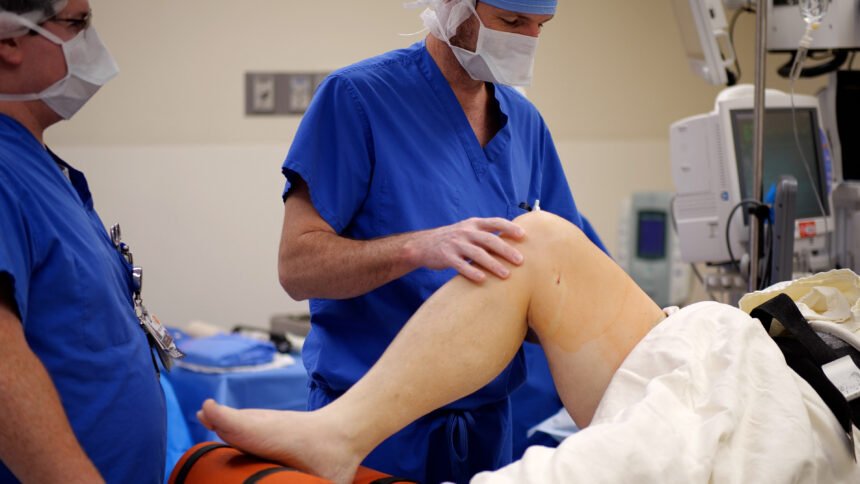
The knee is an active joint in the body, and it carries weight with nearly every step you take. Over time, injury, wear, or disease can affect how well this joint functions. When pain and stiffness begin to limit daily movement, some people explore surgical options to restore mobility. Knee replacement is one of the more established procedures used to address ongoing joint problems.
What Is Knee Replacement?
Knee replacement, also known as knee arthroplasty, is a surgical procedure that involves removing damaged portions of the knee joint and replacing them with artificial components. These components are designed to mimic the natural movement of a healthy knee. There are two main forms of the procedure. A total knee replacement addresses the entire joint, and a partial knee replacement focuses on only the section that shows the most damage. The goal of the procedure is to reduce discomfort and restore smoother function to the joint.
When Is It Utilized?
Knee replacement is generally reserved for situations where other treatments have not produced satisfactory results. People can first try non-surgical approaches; this includes physical therapy, medication, or the use of assistive devices. When these methods no longer provide relief, surgery may become a topic of discussion.
Several conditions can lead to significant joint damage. Osteoarthritis is a gradual breakdown of the cartilage that cushions the joint, and it is among the most common reasons people seek this procedure. Rheumatoid arthritis, an inflammatory condition, can also wear down the joint over time. Injuries from accidents or long-term physical strain may cause damage that affects daily function. Common signs that lead individuals to explore knee replacement include persistent pain that continues even at rest, difficulty walking or climbing stairs, stiffness that limits the range of motion, and swelling that does not improve with standard care.
What Should You Expect?
The process generally unfolds in several stages. Before surgery, a medical team performs an assessment that may include physical examinations, imaging tests, and a review of your health history. This step helps the surgeon plan the procedure, and they can confirm that it aligns with your specific situation. Patients often receive guidance on how to prepare their home and body in the days leading up to the operation.
During the surgery itself, anesthesia is administered so the patient remains comfortable. The surgeon removes the damaged sections of the joint, and they position the replacement components. The length of the operation can vary depending on whether a partial or total replacement is performed and on individual circumstances.
Recovery is a gradual process. In the early days, medical staff monitor healing and help manage discomfort. Physical therapy usually begins soon after surgery to rebuild strength and improve flexibility. Full recovery timelines differ from person to person; factors such as age, general health, and adherence to a rehabilitation plan can all influence how quickly someone progresses.
Consult With a Specialist
Knee replacement is a procedure that has helped many people regain function in a joint affected by damage or disease. Each situation is unique, and the right path depends on the specific condition of your knee and your broader health picture. Speaking with an orthopedic specialist gives you the opportunity to learn about this procedure. A specialist can explain the available approaches, outlining what recovery involves and helping you understand the choices that fit your needs.