

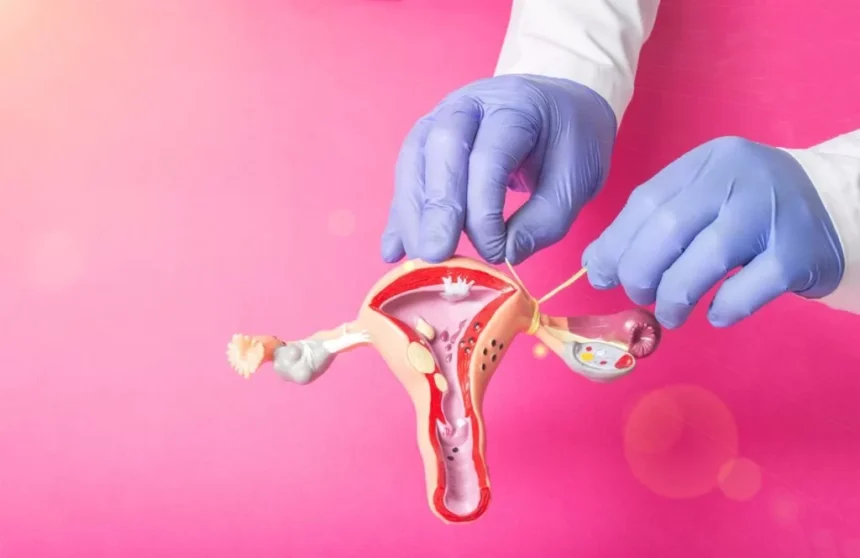
Tubal reversal is a surgical procedure that reconnects the fallopian tubes after tubal ligation, and many women pursue this option when their family goals change over time. The surgery restores the natural pathway between the ovaries and the uterus. If you had your tubes tied, reversal may reopen the possibility of pregnancy. Here is more information about this procedure and your options:
Second Chance
A tubal reversal reopens the tubes, and it works for many types of ligation. Some women change their plans after a divorce, a new relationship, or a loss. Your surgeon reviews your original procedure to judge whether reversal fits your case. In many cases, the details of your first surgery shape your candidacy.
Not every ligation method suits reversal equally well. Clips and rings may leave more healthy tube than burning does. If a large section of tube was removed, reversal grows more difficult. Your doctor examines your surgical records, and a physical exam adds further detail.
Reconnected Tubes
During the procedure, a surgeon rejoins the separated tube segments. The work uses fine sutures under magnification, and precision drives the outcome. When the tubes heal, they may allow eggs to travel again. Several factors influence how well the tubes reconnect:
- Length of remaining healthy tube
- Type of the original ligation method used
- Scar tissue from prior surgeries
- Health of the patient
Your surgeon measures the tube during the operation itself. A longer remaining tube generally supports the connection better. As outcomes vary, your doctor sets realistic expectations beforehand.
Natural Conception
After a successful reversal, conception happens through normal intercourse, and you do not need repeated clinic visits for each attempt. Since the tubes reconnect, sperm and egg meet inside your body. This path appeals to women who prefer to avoid lab-based methods.
Timing still matters when you try to conceive after surgery. Your surgeon explains a recovery window before you begin trying. Age, egg quality, and tube length all affect your odds, and your doctor discusses each factor. When needed, tracking your cycle helps you plan intercourse around ovulation.
Your healthcare provider may also recommend follow-up tests to make sure your fallopian tubes are open and functioning properly. Recovery from surgery is typically straightforward, allowing women to resume daily activities within a few weeks. While the procedure provides hope for natural conception, it’s wise to remember that each individual’s body and circumstances differ.
Avoided Alternatives
In vitro fertilization offers another route to pregnancy after ligation, and reversal differs from IVF in methods, process, and repetition. With reversal, you avoid the medication cycles that IVF requires. Some women prefer surgery when they plan more than one pregnancy. Here are key differences worth reviewing with your doctor:
- Reversal allows repeated natural attempts after one surgery
- IVF needs a separate cycle for each pregnancy
- Reversal involves anesthesia and a recovery period
- IVF involves hormone injections and egg retrieval
Schedule a Tubal Reversal Consultation
A consultation gives you direct answers about your candidacy, so your surgeon reviews your records, and an exam completes the picture. As each case differs, personalized guidance matters more than general advice. Bring your original operative report to the visit if you have it. Contact a fertility clinic today to book your tubal reversal consultation.